This course is intended as a first introduction to the ideas of computer architecture both hardware and software. Assembly language programming is the central theme of the course
- Teacher: Edwin Gibson
- Teacher: Kemar Hinds
This course is intended as a first introduction to the ideas of computer architecture both hardware and software. Assembly language programming is the central theme of the course
COURSE DESCRIPTION :
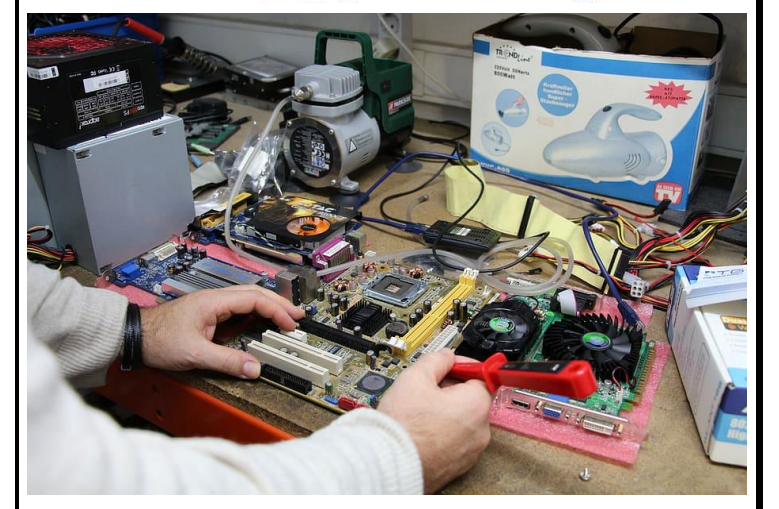
This course teaches the practical requirements to commission , service, upgrade and repair a Tower/Desktop/Laptop computer system and its associated peripherals(FP Monitors, Matrix, Inkjet and Laser printers and uninterruptible power supplies). It also immerses the student into basic electronic components, their function, testing and application in a modern computer system environment.
COURSE DESCRIPTION :
This course teaches the practical requirements to commission , service, upgrade and repair a Tower/Desktop/Laptop computer system and its associated peripherals(FP Monitors, Matrix, Inkjet and Laser printers and uninterruptible power supplies). It also immerses the student into basic electronic components, their function, testing and application in a modern computer system environment.
This course teaches the principals required to commission , service, upgrade and repair a Tower/Desktop/Laptop computer system and its associated peripherals
(FP Monitors, Printers - Matrix, Inkjet, Monochrome and Laser and UPSs ). It also immerses the student into a basic electronic components knowledge base that will enable them in testing and repairing a modern computer system. Students will also be introduced to Basic Computer Programming and Basic PC Networking.
Related modules include Communications Skills, Mathematics for Computers, Small Business Management, Computer Applications, Operational Health and Safety and Work Ethics.
This course teaches the principals required to commission , service, upgrade and repair a Tower/Desktop/Laptop computer system and its associated peripherals
(FP Monitors, Printers - Matrix, Inkjet, Monochrome and Laser and UPSs ). It also immerses the student into a basic electronic components knowledge base that will enable them in testing and repairing a modern computer system. Students will also be introduced to Basic Computer Programming and Basic PC Networking.
Related modules include Communications Skills, Mathematics for Computers, Small Business Management, Computer Applications, Operational Health and Safety and Work Ethics.
This is an introduction to computer numerical control machining. We will focus on basic programming for CNC lathes and milling machines
This is an introduction to computer numerical control machining. We will focus on basic programming for CNC lathes and milling machines