Tutorial for Moodle V3.5.
- Teacher: Rhonda Bates
- Teacher: Kevin Chapman
- Teacher: Bianca Hamblin
- Teacher: Margaret Luke
- Teacher: Grantley Robinson
Category: TUTORIALS
Tutorial for Moodle V3.5.
This course involves the study of theories and principles involved in the orientation of a variety of instruments used in the clinical laboratory and will include such practices as troubleshooting, repair of basic defects and the maintenance of these instruments. Demonstration sessions will also be included in this course.
This calculus course focuses on integration and its applications. Topics covered include: integration of standard expressions; integration techniques (such as the use of substitution, trigonometric identities, integration by parts); the fundamental theorem of calculus; areas under curves and volumes of revolution; displacement, velocity and acceleration; formulation and solution of first-order differential equations.
This course focuses on research, concept communication, model making and marketing of ideas. It provides guidance in integrating visual communication elements for effective communication of creative ideas, problem solving and architectural solutions, especially through the use of 3D models. It will explore techniques of professional presentation required in the field of architecture.
This course seeks to introduce teachers to the benefits of integrating ICT in their teaching/learning experiences. Teachers will acquire skills/techniques of using various ICT tools.
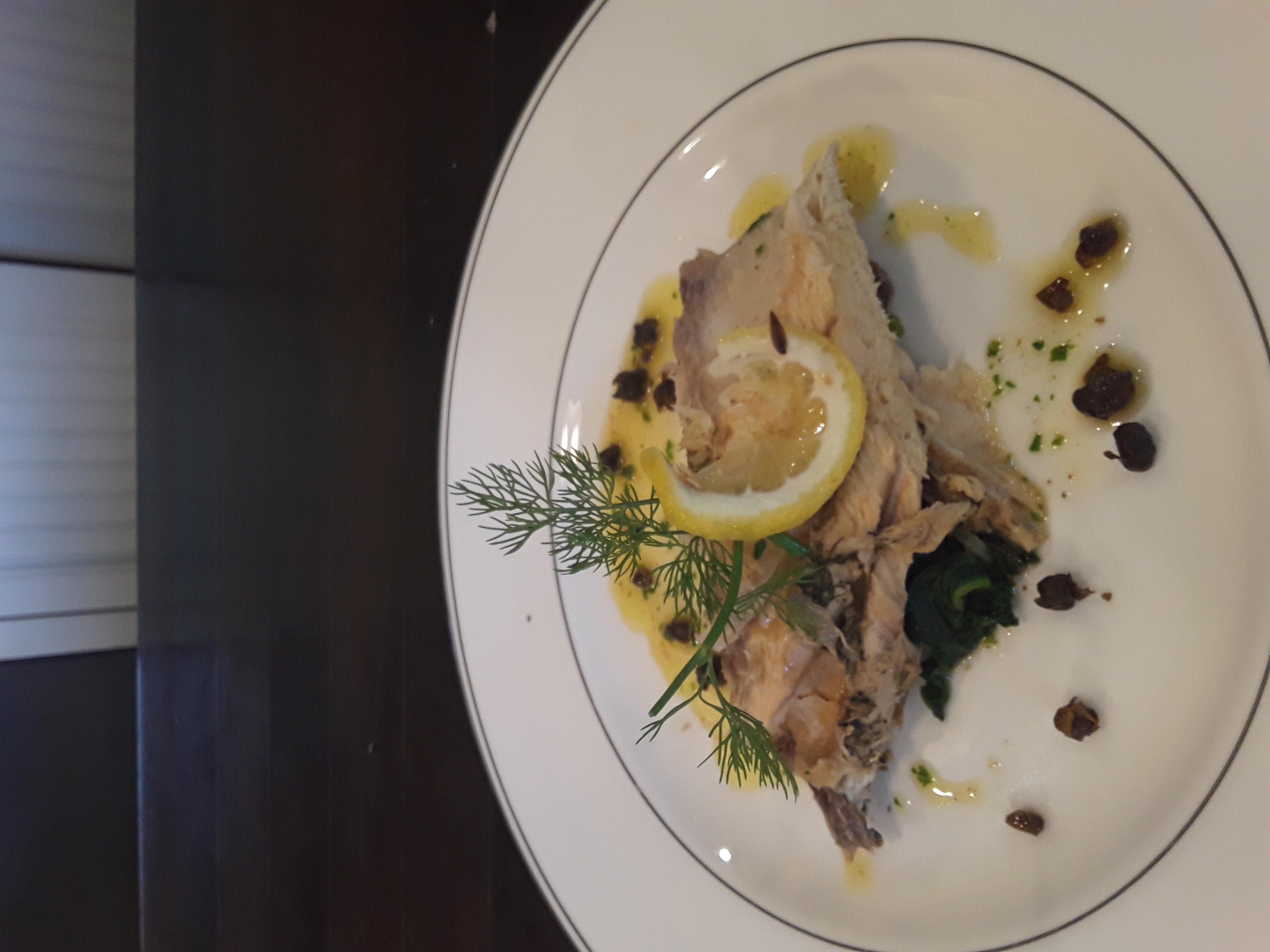
This course will focus on foods and cooking styles of many nations. Menu production reflecting on nations that have impacted international cuisines will be examined.
This course offers an explanation of international trade and its implications for balance of payments problems and exchange rate adjustments.
This course covers the three major international financial markets; the foreign exchange market, the Eurocurrency market, and the international equity and bond market. The course also examines international financial decisions including operations, structure and valuation. The Breton Woods system is considered. The technique of arbitrage, (simultaneous trading in different markets), and its implication will be examined. The interaction among markets, basic arbitration and funds flow management will be addressed.
International business has become the most salient feature of the international economy. This course emphasizes the international marketing aspect of international business. The approach taken in the course is that international marketing differs from domestic marketing in context but not technique. The primary aim of the course then is to help the student understand that context and how it shapes successful international marketing strategy as well as lay the foundation for further studies.
Supervised Work Experience provides students with business placement commensurate with their chosen career. The placement is 480 hours in duration during which time the students receive at least one visit from the tutor. The student will be allocated a workplace mentor who will ease the student’s integration into the organization.
The four-week internship is a requirement for fulfillment of the Associate Degree in Office Administration and Management. It is intended to expose students to realistic work experience and responsibility so they can apply the knowledge and skills acquired in the classroom. It is expected that students can be given the opportunity to assist in the day-to-day running of the office.
This is the final course for students pursuing the Associate Degree in Sport Management. This internship is designed to provide students with a full time experience of sport management for a period of ten weeks. It will focus on the applications of programme planning and implementation, financial management of sport, managing physical and human resources, use of computer applications in sport, sport marketing and communication in sport.
Supervised Work Experience provides the students with business placement commensurate with their chosen career. The placement is 480 hours in duration during which time the students receive at least one visit from the tutor. The student will be allocated a workplace mentor who will ease the student’s integration into the organization.
This course has two major components: interpersonal relationships and counselling. The course is designed to enable the student to communicate effectively with a range of people in a variety of contexts by drawing on relevant areas of social psychology, communication theory and practice. The course is also designed to enable the students to build on their knowledge of counselling in order to improve competencies in supporting clients, families, and communities. Ultimately the course will provide opportunities for the student to improve his/her communication skills.
An idea driven course that engages students in the expressive possibilities of art making with communications media and time-based art forms. Students are given an introduction to processes and image manipulation using photography, video and the computer. Instruction will introduce the language, methodology and technical processes, to be supportive of risk-taking, and assist students in generating ideas and finding forms for these ideas.
This is an idea driven course that seeks to broaden the students’ range of production techniques. The course integrates computer generated art, photography and video. Interrelated Media spans three semesters with computer graphics as the centre of all the other related disciplines. (i.e. within the specific course). Emphasis is placed on teamwork and experimentation while building technique and knowledge of the media and recording/storyboarding of ideas. The course seeks to improve the students’ adaptability and versatility as image-makers.
In this course, students will engage in a comprehensive study of computer graphics, the print production process and video production. Emphasis will be placed on techniques and role-play in video production, the fundamentals of pre-press printing as well as preparation of pre-press artwork from initial concept to printed matter. Students will also incorporate video with computer graphics using contemporary industry software.
The disciplines of video and print are emphasized with traditional and contemporary practices. In particular, prominence is given to video production. The core elements of graphic design: type and image (still and/or animated) are interlinked with video to create a dynamic product with a message.